2 artifacts
Tap to collapse details
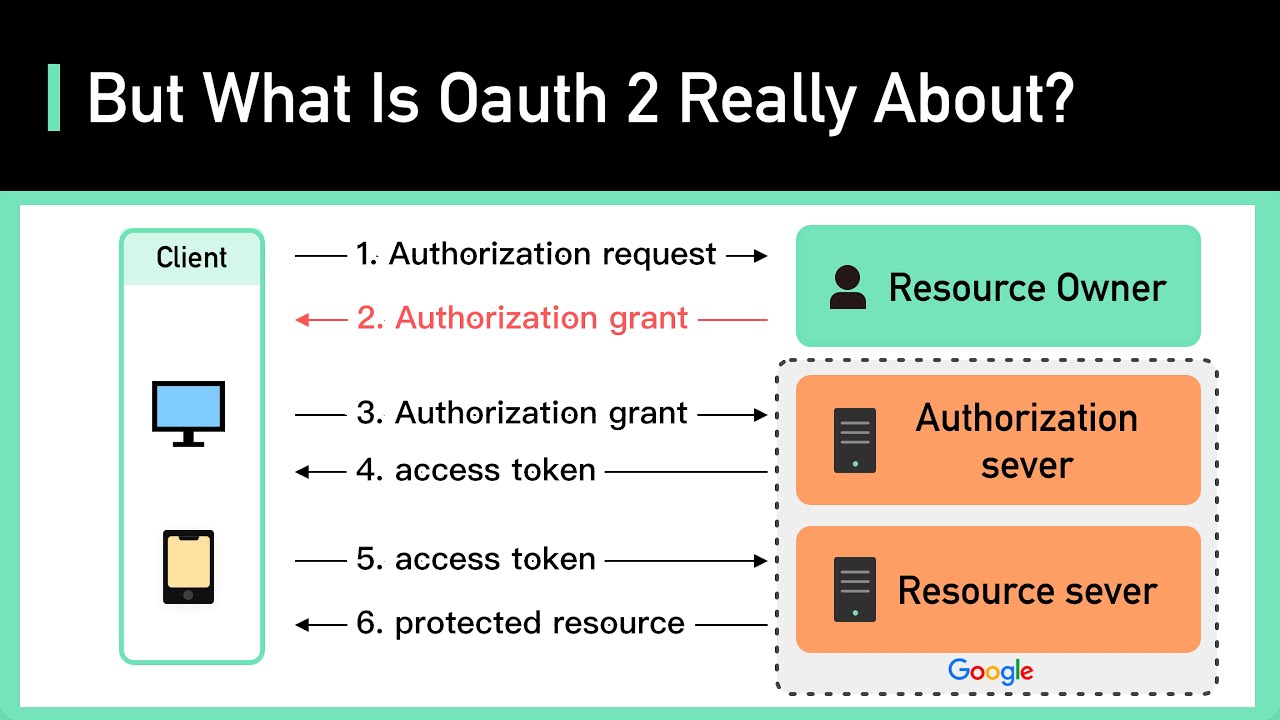
OAuth 2.0 is an authorization framework, not authentication. Visit oauth.net/2 to learn:
Read the intro and key features. Then skim RFC 6749 abstract and roles.
Key takeaway: Clients get tokens to access resources without user credentials.
❌ Confusing OAuth with OpenID Connect
→Remember OAuth = authorization (access), OIDC adds authentication (who)
❌ Thinking clients share user passwords
→Tokens replace credentials; never store user passwords in client
Tap to expand details
Spin up a personalized “learn OAuth” plan you can save, check off, and return to anytime — unlimited on the free trial.
Pluralsight
freeCodeCamp
by Aaron Parecki
by Justin Richer, Antonio Sanso
Official OAuth 2.0 site with specs, guides, and code libraries
Step-by-step tutorials for servers and clients with playground
Core specification document
Interactive OAuth 2.0 flow simulator
Test Google APIs with OAuth flows