Master Body Composition in 5 Steps

Master Body Composition in 5 Steps

🧰

Instant Toolkit

2 artifacts

📋
Step-by-Step Guide

1

Step 1: Grasp the Fundamentals

Body composition refers to the percentages of fat, bone, muscle, and water in your body, unlike BMI which only uses weight and height. Muscle is denser than fat, so two people with the same weight can have vastly different health profiles.

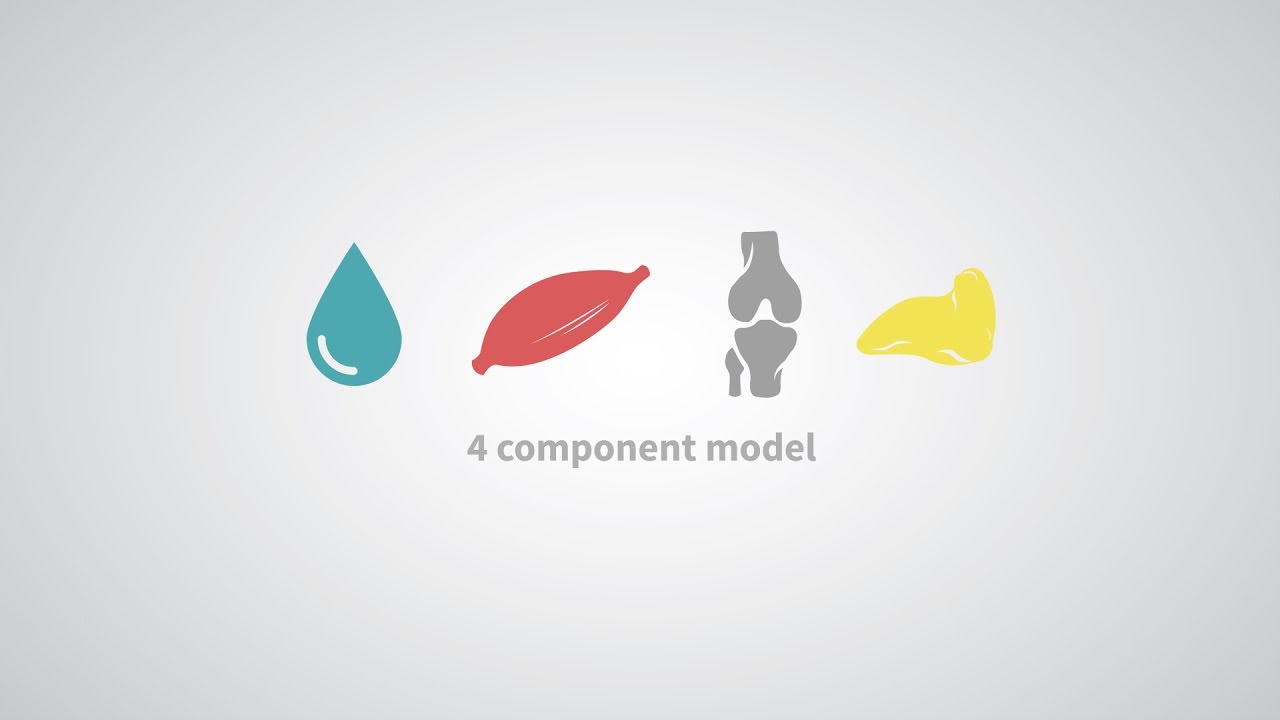
Key Components (from 2C and 4C models):

  • Fat Mass: Essential for energy, hormones, protection (minimum ~4%).
  • Fat-Free Mass: Muscle, organs, water.
  • Advanced: Body water (>50%), protein, minerals.

Why Better Than BMI? BMI misclassifies muscular people as obese.

Healthy Ranges (Women/Men, approx.):

AgeWomenMen
20-2916-24%7-17%
30-3917-25%12-21%

Read sources below and take notes.

Why this step matters:
  • -Builds a clear foundation for health assessment beyond scale weight
  • -Enables targeted improvements in fitness and disease prevention
1-2 hours
WebMD Body Composition Guide (https://www.webmd.com/fitness-exercise/what-is-body-composition), UC Davis Sports Medicine Page (https://health.ucdavis.edu/sports-medicine/resources/body-fat), InBody 101 Guide (https://inbodyusa.com/blogs/inbodyblog/28828609-body-composition-101-the-beginners-guide)
$0
Definition of Done
  • Define body composition and its components in your own words
  • Compare body composition to BMI with examples
  • Recall healthy body fat ranges by age and sex
Common Mistakes to Avoid

Equating body composition solely with body fat percentage

Include muscle, water, bone, and protein as key components

Overlooking essential fat functions

Note roles in hormones, insulation, and energy storage

2

Following along, or just reading? 👀

Spin up a personalized “learn body composition” plan you can save, check off, and return to anytime — unlimited on the free trial.

Start free trial →
3
4
5