Master Clustering in Machine Learning in 5 Steps

Master Clustering in Machine Learning in 5 Steps

🧰

Instant Toolkit

3 artifacts

📋
Step-by-Step Guide

1

Understand What Clustering Is

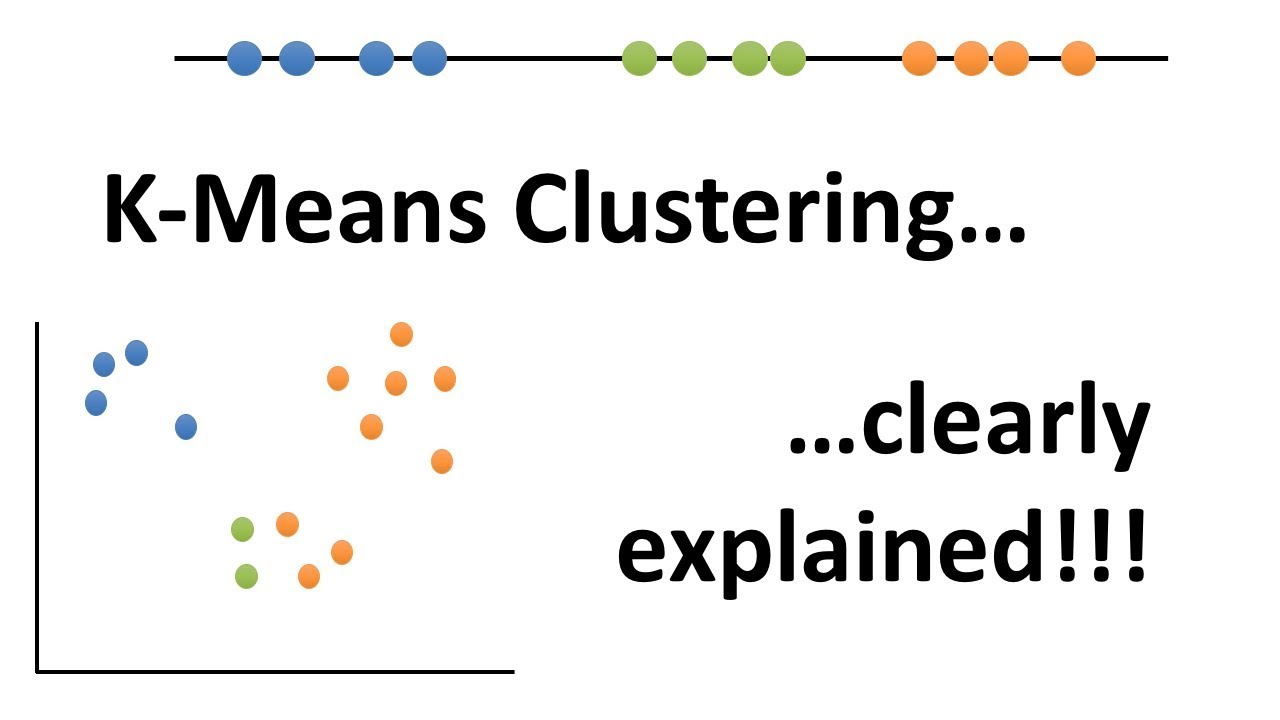
Clustering is an unsupervised machine learning technique that groups similar data points without labels. Key types:

  • Partitioning (e.g., K-Means): Divides data into non-overlapping clusters.
  • Hierarchical: Builds a tree of clusters.
  • Density-based (e.g., DBSCAN): Groups based on density.

Read the official scikit-learn clustering overview: Clustering Docs.

Key Concepts:

  • Similarity measures (Euclidean distance).
  • Challenges: Choosing number of clusters, handling noise.

Watch intro videos for visual intuition.

Why this step matters:
  • -Builds a strong conceptual foundation to select appropriate algorithms
  • -Enables recognition of clustering use cases in real datasets like customer segmentation
1-2 hours
Web Browser, scikit-learn Documentation, Notebook for Notes
$0
Definition of Done
  • Explain clustering vs. classification in own words
  • List 3 main clustering types with examples
  • Identify when to use unsupervised clustering
Common Mistakes to Avoid

Confusing clustering with supervised learning

Remember: no labels provided; focus on data similarity

Ignoring data scaling needs

Always standardize features for distance-based algorithms

2

Following along, or just reading? 👀

Spin up a personalized “learn clustering” plan you can save, check off, and return to anytime — unlimited on the free trial.

Start free trial →
3
4
5