Master Color Theory Fundamentals in 5 Steps

Master Color Theory Fundamentals in 5 Steps

🧰

Instant Toolkit

1 artifact

📋
Step-by-Step Guide

1

Step 1: Build Your Color Wheel Foundation

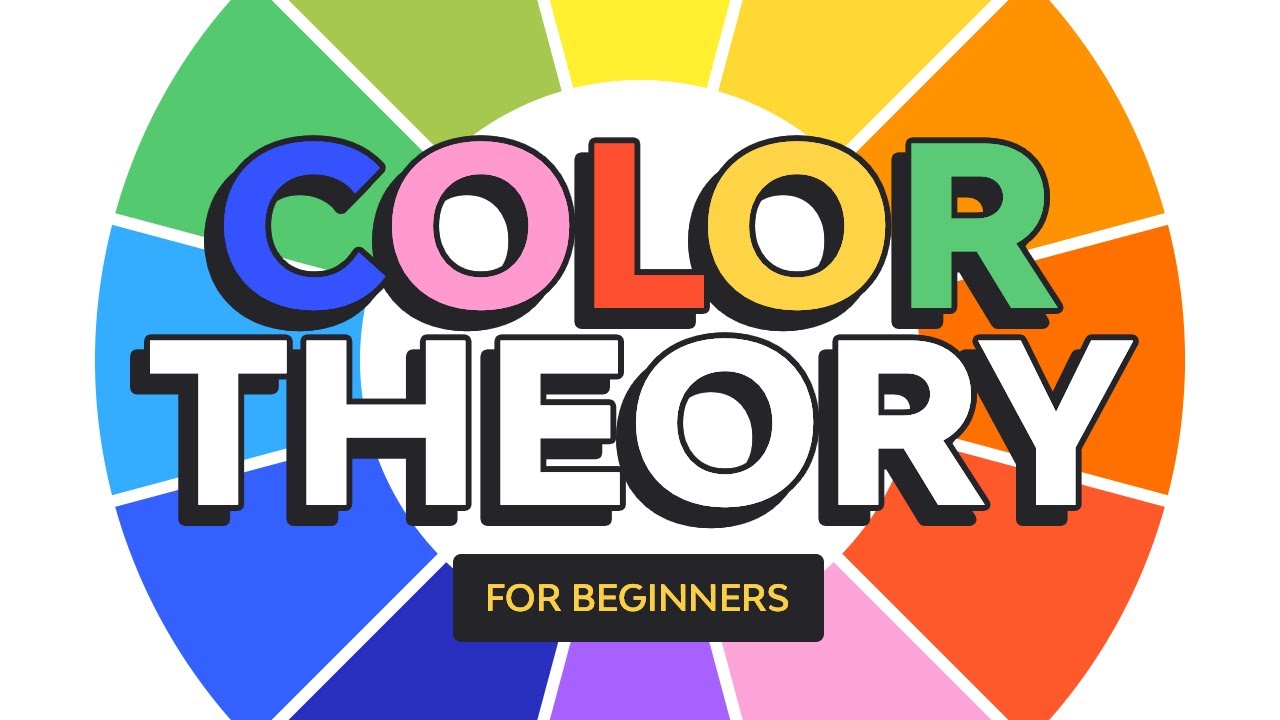
The color wheel is the cornerstone of color theory, organizing colors into primaries, secondaries, and tertiaries.

Tasks:

  • Study the structure: Primaries (red, yellow, blue) can't be mixed from others. Secondaries (orange, green, purple) from two primaries. Tertiaries (e.g., red-orange) from primary + secondary.

  • Draw or print one: Use paper and markers or Canva Color Wheel.
  • Practice mixing: If you have paints/digital tool, mix primaries to create secondaries (e.g., yellow + blue = green).

Reference: Color Matters Basic Color Theory.

Why this step matters:
  • -Establishes relationships between all colors for intuitive mixing
  • -Enables confident color selection in art, design, and everyday projects
1-2 hours
Paper and colored pencils/markers, Canva Color Wheel, Adobe Color Wheel
$0
Definition of Done
  • Label primary, secondary, tertiary colors accurately
  • Draw a complete 12-segment color wheel
Common Mistakes to Avoid

Assuming black/white are on the wheel

Focus only on hues; use them to adjust value later

Mixing wrong primaries for secondaries

Red+yellow=orange, blue+yellow=green, red+blue=purple

2

Following along, or just reading? 👀

Spin up a personalized “learn color theory” plan you can save, check off, and return to anytime — unlimited on the free trial.

Start free trial →
3
4
5