Master Home Fermentation in 5 Practical Steps

Master Home Fermentation in 5 Practical Steps

🧰

Instant Toolkit

2 artifacts

📋
Step-by-Step Guide

1

Understand Lacto-Fermentation Basics

Lacto-fermentation uses naturally occurring lactic acid bacteria on vegetables to convert sugars into lactic acid, preserving food and creating probiotics.

Key Concepts:

  • Anaerobic environment (no oxygen) prevents bad bacteria.
  • Salt inhibits harmful microbes while allowing good ones to thrive.
  • Temperature: 68-72°F ideal for active fermentation.

Read guides from Cultures for Health and watch beginner videos. Take notes on hygiene, brine ratios (2-3% salt), and signs of readiness (bubbles, tangy taste).

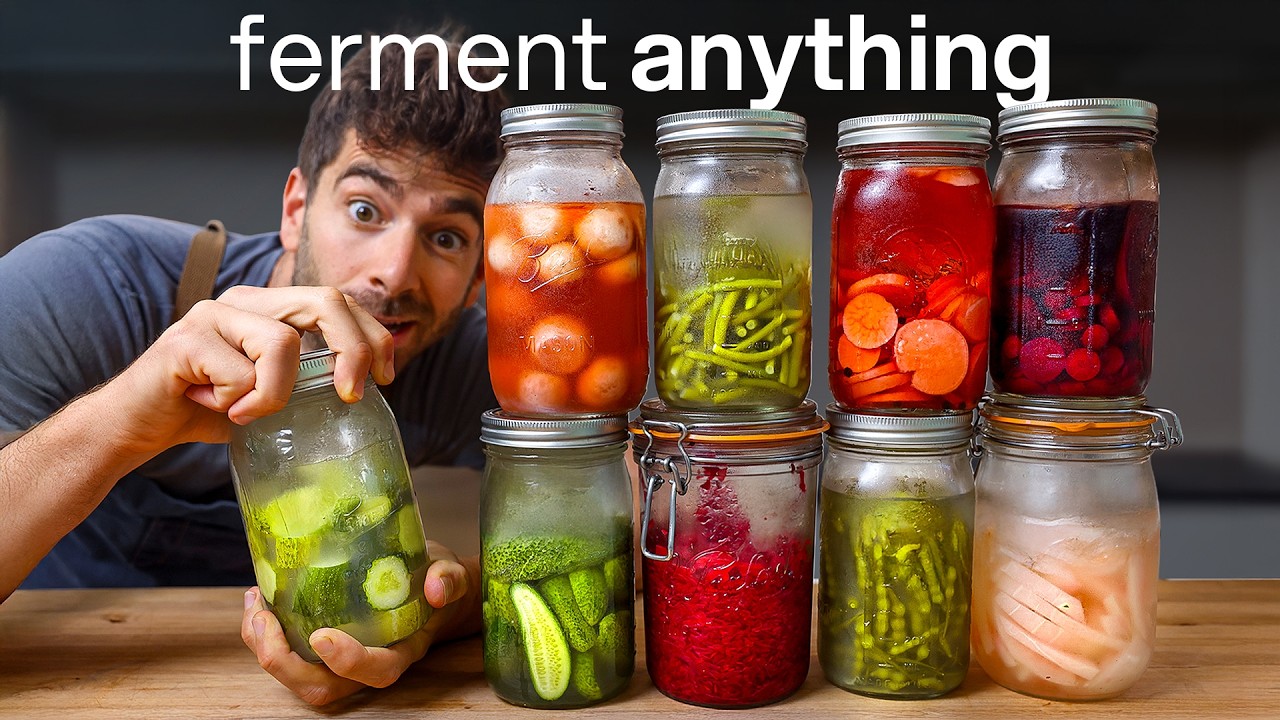
Why this step matters:
  • -Provides foundation for safe, successful ferments
  • -Enables confident troubleshooting in real projects
1-2 hours
Notebook, Cultures for Health Blog, YouTube
$0
Definition of Done
  • Explain lacto-fermentation process in own words
  • Identify 3 signs of active fermentation
  • List salt brine ratio for safety
Common Mistakes to Avoid

Using chlorinated water or iodized salt

Use filtered water and sea salt or pickling salt

Overlooking temperature control

Keep at 68-72°F away from direct sun

2

Following along, or just reading? 👀

Spin up a personalized “learn fermentation” plan you can save, check off, and return to anytime — unlimited on the free trial.

Start free trial →
3
4
5