Master Redux State Management in React in 5 Steps

Master Redux State Management in React in 5 Steps

🧰

Instant Toolkit

2 artifacts

📋
Step-by-Step Guide

1

Understand Store, Actions, and Reducers

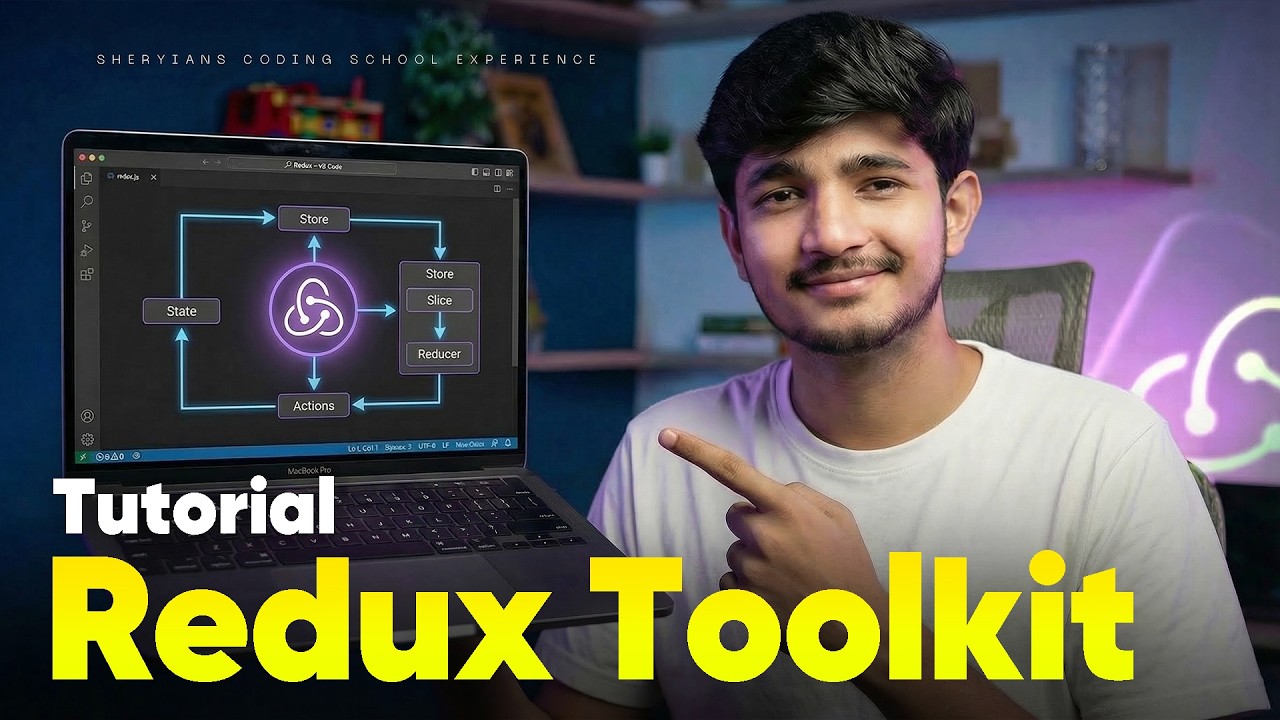
Start with the official Redux Essentials tutorial Part 1. Read the overview of Redux, focusing on:

  • Store: Holds app state, provides getState() and dispatch().
  • Actions: Objects with type (e.g., { type: 'counter/incremented' }).
  • Reducers: Pure functions updating state immutably.

Key principle: One-way data flow. Redux Toolkit (RTK) is recommended – it simplifies setup with createSlice and configureStore.

Prerequisites: Basic React, JS, async knowledge.

Why this step matters:
  • -Builds foundation to predict app behavior across components
  • -Enables scalable state handling in complex real-world apps
1-2 hours
Browser, Redux.js.org docs, Note-taking app
$0
Definition of Done
  • Explain store, actions, reducers in own words
  • Diagram Redux data flow
Common Mistakes to Avoid

Thinking Redux replaces local state

Use Redux only for shared/global state; local for component-specific

Confusing actions with mutations

Actions describe intent; reducers compute new state

2

Following along, or just reading? 👀

Spin up a personalized “learn Redux” plan you can save, check off, and return to anytime — unlimited on the free trial.

Start free trial →
3
4
5